
120x120 and 120x278 cm slabs make a space feel larger but need preparation. A short guide on thickness, substrate flatness, waste and transport.
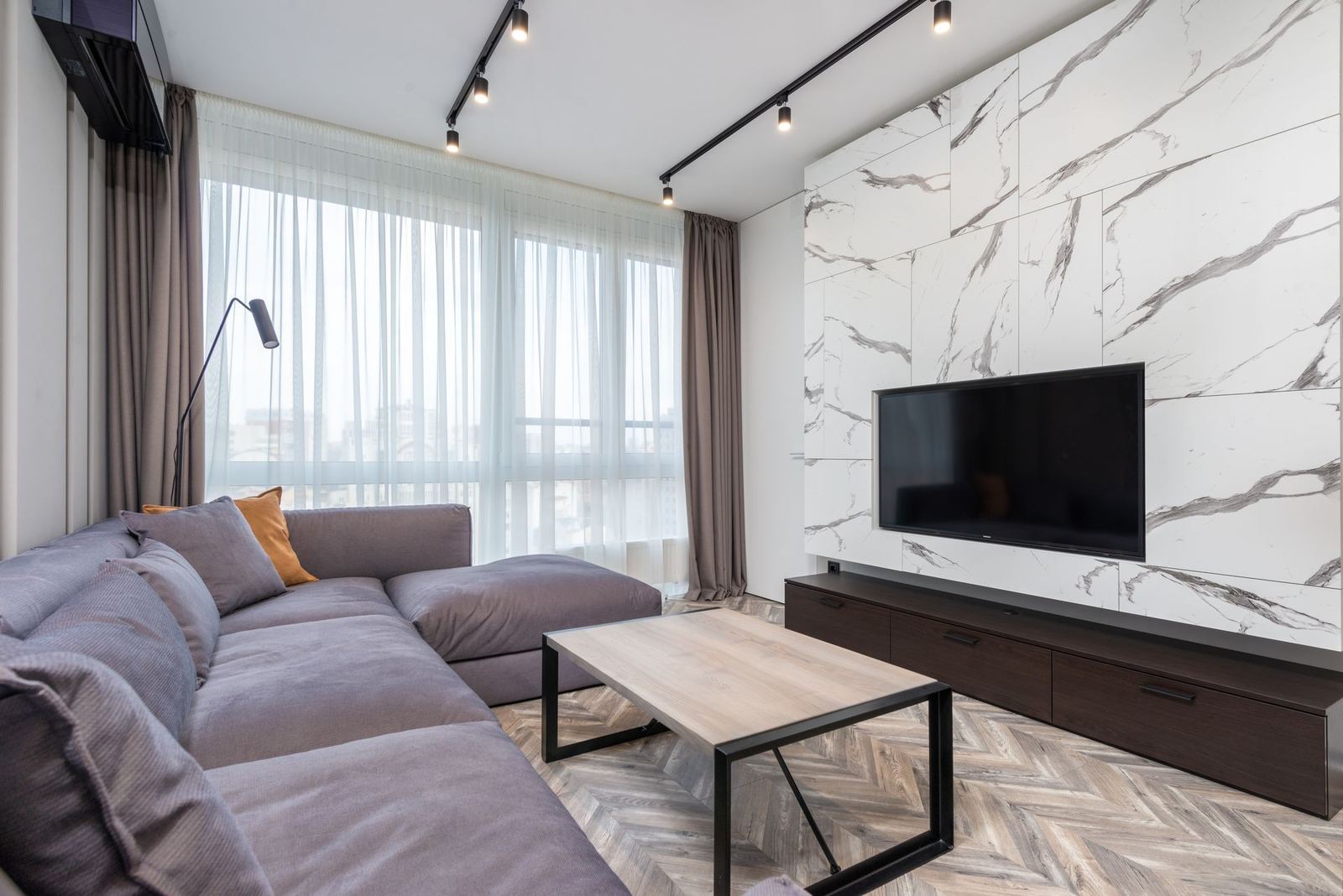
Large-format porcelain tiles make a space look wider and calmer by reducing the number of joints. Architects and homeowners are therefore turning increasingly to sizes such as 60x120, 120x120 and 120x278 cm. However, large formats need a different level of preparation and installation discipline from small ones. The seven points below will help you decide correctly.
1. Thickness
For floors 9-10 mm, for walls 6-9 mm, and for countertops and furniture surfaces 6 mm slabs are preferred. Thin slabs are light and easy to carry, but must be installed carefully against impact and edge breakage. For outdoors choose the 20 mm ranges.
2. Substrate flatness
Large formats do not hide an uneven substrate. Screed flatness should be at most 3 mm over 2 metres; if necessary a self-levelling compound should be applied. The time spent on this preparation prevents cracks and breakage later.
3. Adhesive and installation
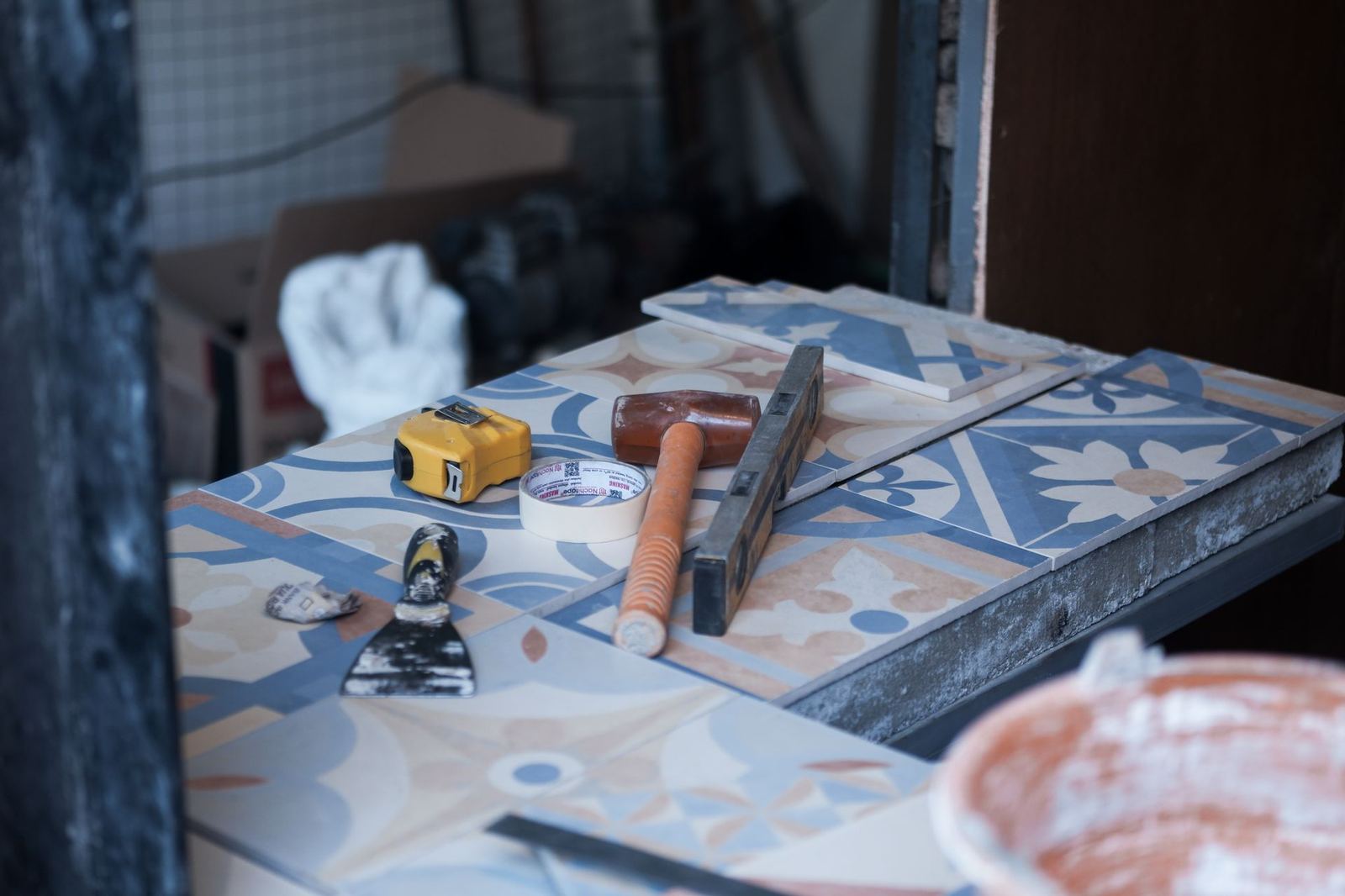
Double-buttering is mandatory with large formats: adhesive is applied to both the floor and the back of the tile. Use a flexible C2S1 adhesive and make sure no voids remain behind the tile. Voids lead to breakage under load.
4. Joints and movement
A rectified edge permits 2 mm joints, but movement joints must not be forgotten. In large spaces plan a flexible-fill joint every 50 m² and at wall corners.
5. Waste calculation
Large formats mean more cuts and higher waste. Allow roughly 8-10 percent for straight laying and up to 15 percent for diagonal and patterned laying. Buying from the same production batch and setting aside one spare box avoids shade differences if a repair is needed later.
6. Transport and storage
Slabs are carried upright on pallets; stacking them flat risks breakage. Store them upright on a dry, level area on site. A vacuum lifter and a two-person crew are needed for handling.
7. Budget
The price per m² of large-format tile is usually higher than small formats, but fewer joints, less adhesive and faster laying save on labour. Compare total cost by assessing materials and labour together.
Gilvan design consultants can work with you on installation details on site. You can also see a preliminary box count with our calculator.
Finally, before choosing a large format, check the access routes too: find out whether the slab can pass through the lift, door and stairs. In some buildings a 120x278 cm slab can only enter by crane through the façade. Planning delivery together with transport and lifting equipment in advance avoids surprises on site.